
How to read poker players and gain an advantage
Understanding Player Types
Every poker player has a distinct style that influences how they play. Understanding these styles can help you predict their behavior during a game. The main types include tight-aggressive, loose-aggressive, tight-passive, and loose-passive players. Tight-aggressive players tend to play fewer hands but make substantial bets when they do. Observing when a player is willing to bet can provide key insights into their hand strength.
Moreover, loose players generally play many hands and may often bluff, making them unpredictable. By categorizing players based on these attributes, you can tailor your strategy to counter their moves effectively. For example, against a loose-aggressive player, staying disciplined and waiting for strong hands can often yield positive results.
Reading Body Language and Tells
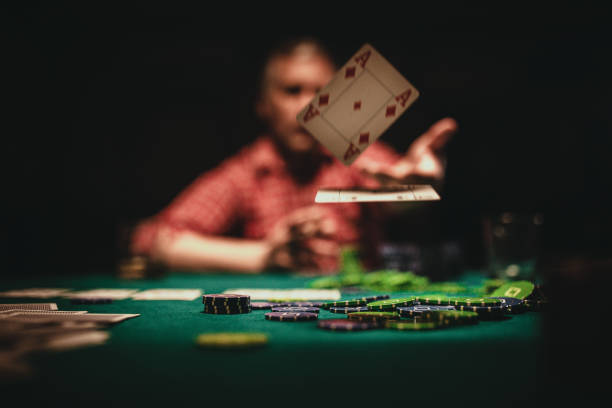
Physical cues, often referred to as “tells,” can significantly aid in assessing an opponent’s hand. Players may exhibit various behavioral signs when they are bluffing or holding a strong hand. For instance, a player who suddenly becomes more still might be holding a winning hand, while one who fidgets or seems hesitant could be bluffing or unsure.
Paying attention to these subtleties can help you anticipate an opponent’s actions. The context matters, too; if a typically loose player suddenly becomes reserved, it may suggest they have something strong. Developing a keen sense for these non-verbal signals can provide a fair edge in live games.
Analyzing Betting Patterns
In poker, understanding an opponent’s betting patterns can be a gold mine of information. Players often have a range of betting behaviors depending on their confidence in their hand. For example, a sudden increase in bet size might indicate a stronger hand than usual, while small bets could suggest a weak holding or an attempt to see the next card cheaply.
Keeping detailed notes or salience on how your opponents bet during different stages of a hand can uncover vital insights into their strategy. With this data, you can create predictive models of their behavior, enabling you to make more informed decisions in critical moments of the game.
Utilizing Position on the Table
Your position at the table is crucial in poker. Being “in position” means you act last in the betting rounds, which provides you with the advantage of observing other players’ actions before making your own decision. This is particularly beneficial when it comes to reading opponents and gauging their intentions.
Exploring Poker Resources and Communities
The journey to mastering poker reading skills doesn’t have to be a lonely one. Engaging with online platforms and communities can provide a wealth of knowledge and experiences. Numerous websites, forums, and instructional content exist that delve into in-depth poker strategies and behaviors, enriching your understanding of the game.
Moreover, using platforms to practice online, such as online pokies, can be a fun way to hone your skills without financial pressure. Interacting with fellow players can offer new perspectives and tips that may substantially improve your reading abilities.