
Understanding the Nuances of Gambling and Mental Well-being
Gambling, for many, can be a form of entertainment, a way to experience excitement, or even an attempt to achieve financial gain. However, the intricate relationship between gambling and an individual’s mental state is a critical area requiring careful consideration, and it is here that resources like casino spinit can offer valuable guidance. Engaging in gambling activities can trigger a spectrum of emotional responses, from elation during wins to distress and anxiety during losses. Recognizing these emotional links is the first step towards managing potential risks.
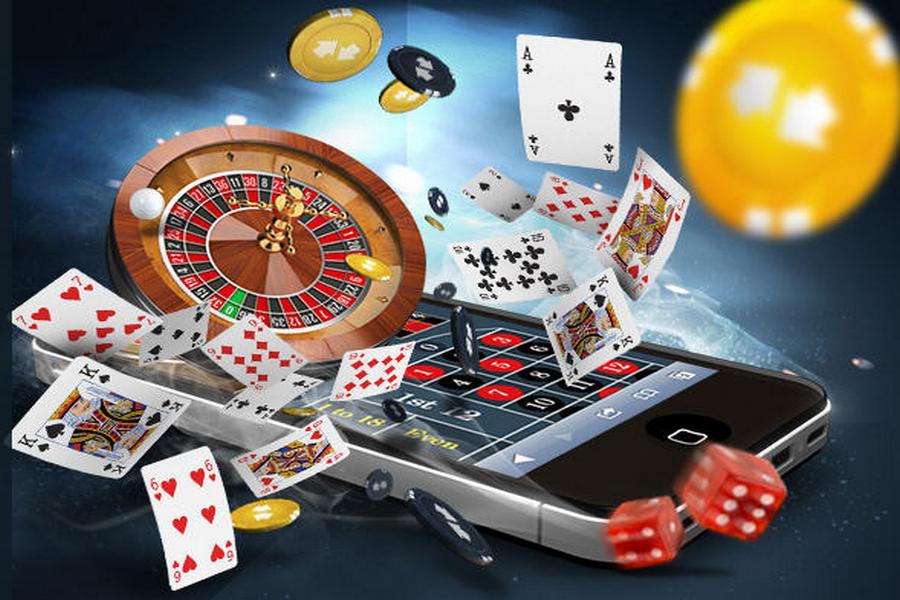
The allure of gambling often lies in its unpredictability and the perceived opportunity for a significant reward. This very unpredictability, however, can contribute to stress, particularly when financial stakes are involved. For individuals already managing mental health challenges, the added pressure and emotional volatility associated with gambling can exacerbate existing conditions. Understanding these connections is paramount for fostering a healthier approach to such activities, ensuring that entertainment does not devolve into a source of significant mental strain.
Cognitive Strategies for Responsible Gambling Engagement
Cultivating intelligence around gambling is not about predicting outcomes, but rather about developing a robust framework for decision-making and self-awareness. This involves understanding personal triggers, recognizing the signs of problematic behavior, and setting clear, achievable limits. Employing cognitive strategies means approaching gambling with a clear mind, free from impulsive desires or the pressure to chase losses. It’s about making informed choices based on realistic expectations and an understanding of the inherent risks involved.
Developing a discerning approach to gambling means educating oneself on the odds and probabilities associated with different games. This knowledge empowers individuals to make more rational decisions, rather than succumbing to the myth of guaranteed wins. Furthermore, practicing mindfulness and detachment can help players maintain emotional equilibrium, preventing losses from spiraling into feelings of despair. By fostering a conscious and controlled approach, individuals can better safeguard their mental well-being while still enjoying the recreational aspects of gambling.
The Psychological Impact of Gambling on Mental Health
The psychological impact of gambling on mental health can be profound and multifaceted. While occasional play might not pose significant issues for most, a pattern of excessive gambling can lead to heightened levels of stress, anxiety, and depression. The cyclical nature of wins and losses can create an emotional rollercoaster, making it difficult for individuals to maintain a stable emotional state. This constant flux can erode self-esteem and contribute to feelings of hopelessness.
Furthermore, the secretive nature of problem gambling often leads to social isolation, which in turn can worsen mental health conditions. Individuals may withdraw from friends and family, exacerbating feelings of loneliness and despair. The financial consequences often associated with excessive gambling can also be a significant source of stress, impacting not only the individual but also their loved ones. Addressing these psychological repercussions requires a proactive approach to seeking support and implementing effective coping mechanisms.
Building Resilience Against Gambling-Related Stress
Building resilience against gambling-related stress is a proactive process that involves strengthening mental and emotional fortitude. This includes cultivating a strong support network, engaging in healthy coping mechanisms for stress, and seeking professional guidance when needed. Resilience means being able to bounce back from setbacks, whether they are financial losses or emotional disappointments, without letting them derail one’s overall well-being. It’s about developing a robust inner strength that can withstand the pressures that gambling might present.
Practicing self-care is an integral part of building resilience. This can involve regular exercise, adequate sleep, healthy eating, and engaging in hobbies and activities that bring joy and relaxation. By prioritizing physical and mental health, individuals can create a stronger foundation to navigate the challenges that gambling might bring. Additionally, fostering a sense of purpose outside of gambling, through work, education, or community involvement, can provide a crucial anchor and reduce the likelihood of gambling becoming a primary focus of one’s life.

Spin-it.org.uk: A Resource for Mental Well-being
Spin-it.org.uk emerges as a vital resource for individuals seeking to understand and manage the complex interplay between activities like gambling and their mental well-being. The platform is dedicated to providing accessible information and support for a range of mental health challenges, including those that may arise or be exacerbated by gambling. Their mission is to empower individuals with the knowledge and tools necessary to make informed decisions and to foster a healthier, more balanced lifestyle.
At Spin-it.org.uk, users can find valuable insights into recognizing the signs of distress, understanding the psychological impacts of various behaviors, and discovering effective strategies for coping and resilience. The organization champions a proactive approach to mental health, offering guidance on self-care practices and pathways to professional assistance. By focusing on education and support, Spin-it.org.uk aims to be a guiding light for those navigating the complexities of maintaining good mental health, particularly in the context of activities that carry inherent risks.