
Understanding the psychological triggers that drive gambling behaviors
The allure of risk and reward
The thrill of gambling often stems from the inherent risk and potential for reward. This dynamic taps into fundamental psychological principles, where individuals are drawn to activities that present a chance of winning. The prospect of a jackpot can trigger feelings of excitement and hope, creating an addictive cycle. This interplay between risk and reward feeds into our brain’s reward system, releasing dopamine, which reinforces the behavior. Many players enjoy their time and explore options like aus online pokies, which further adds to the overall excitement of gambling.
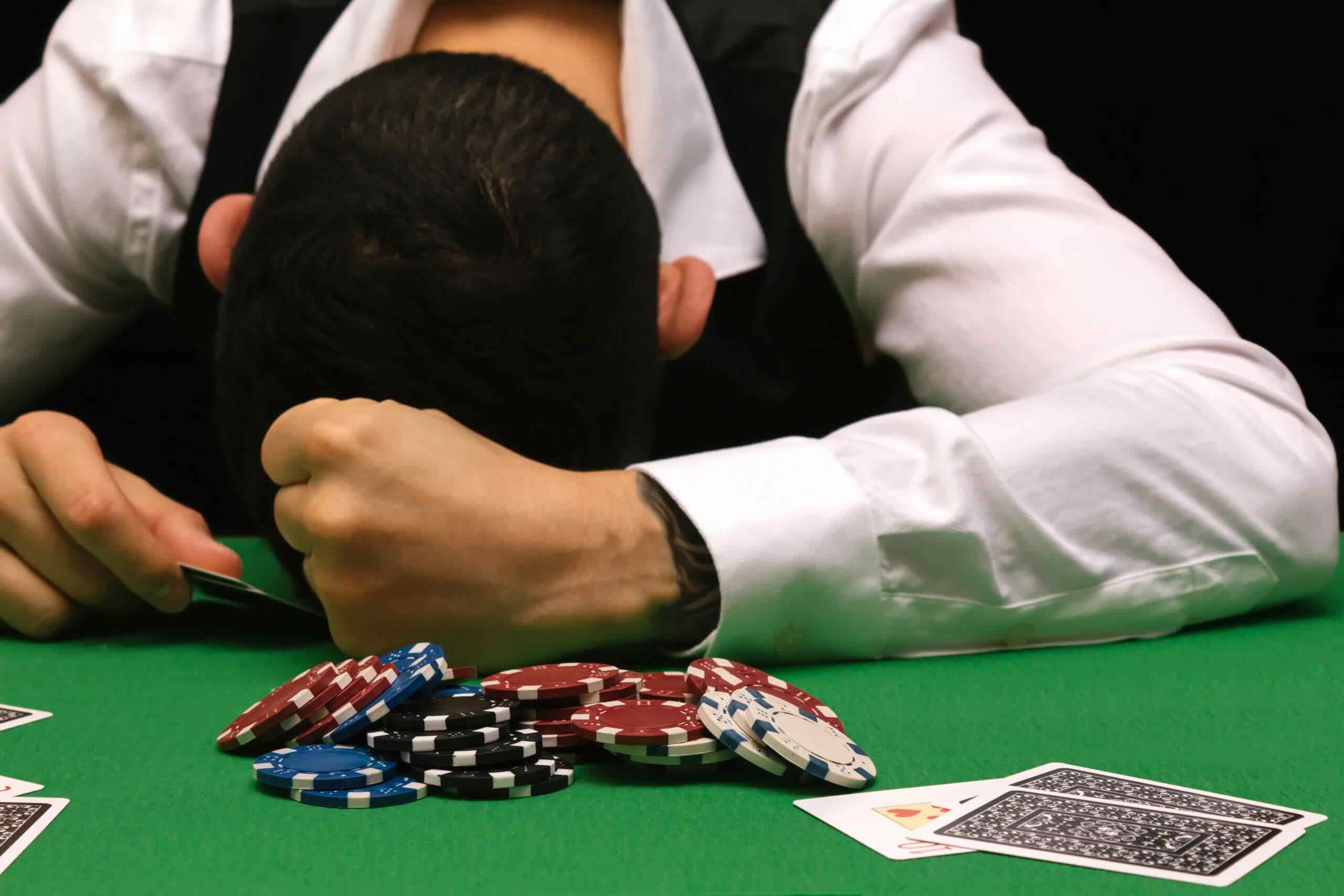
Moreover, the excitement often overshadows the reality of the odds. Many gamblers develop a sense of optimism, believing they can beat the house or find a “lucky” streak. This cognitive bias leads to underestimating the risks involved and overestimating their own skill, further driving the compulsion to gamble.
The role of cognitive biases
Cognitive biases play a significant role in shaping gambling behaviors. For instance, the illusion of control can make individuals feel they have influence over random outcomes, such as in games of chance. This belief can encourage continued play, as gamblers may think their choices impact the results, fueling their desire to engage more in the activity.
Similarly, gamblers often fall prey to the gambler’s fallacy, which is the mistaken belief that past events affect future outcomes in random situations. This misconception can lead individuals to chase losses, perpetuating a cycle of gambling in hopes of recovering funds lost in previous bets.
The influence of social factors
Social factors also play a crucial role in gambling behaviors. Peer influence can significantly affect an individual’s decision to gamble, with social circles sometimes normalizing or promoting gambling as a fun activity. This social acceptance can make gambling seem more appealing, especially among younger individuals who seek validation and acceptance within their peer groups.
Additionally, environments like casinos are designed to stimulate the senses and create a sense of community, making gambling a more attractive option. Bright lights, sounds, and social interactions can enhance the overall experience, leading individuals to gamble more than they might in a more subdued environment.
The impact of emotional states
Emotional states significantly affect gambling behaviors, with many individuals turning to gambling as a coping mechanism. Stress, anxiety, or depression can drive people to seek solace in the excitement and distraction that gambling offers. This escapism can momentarily alleviate negative emotions, reinforcing the behavior despite its potential consequences.
Conversely, positive emotions can also trigger gambling behaviors. Celebrating a win or feeling euphoric can lead individuals to gamble more, believing that their good fortune will continue. This emotional rollercoaster is a powerful driver, often leading to compulsive gambling patterns.

Further insights into gambling psychology
Understanding the psychological triggers behind gambling behaviors is crucial for developing effective prevention and treatment strategies. By recognizing how cognitive biases, social influences, emotional states, and the allure of risk interact, individuals can make more informed choices about their gambling habits.
This website aims to provide comprehensive resources and insights into gambling psychology, helping individuals navigate their relationship with gambling. By fostering awareness and understanding, we can encourage responsible gambling and promote healthier behaviors in those who may be vulnerable to its addictive nature.